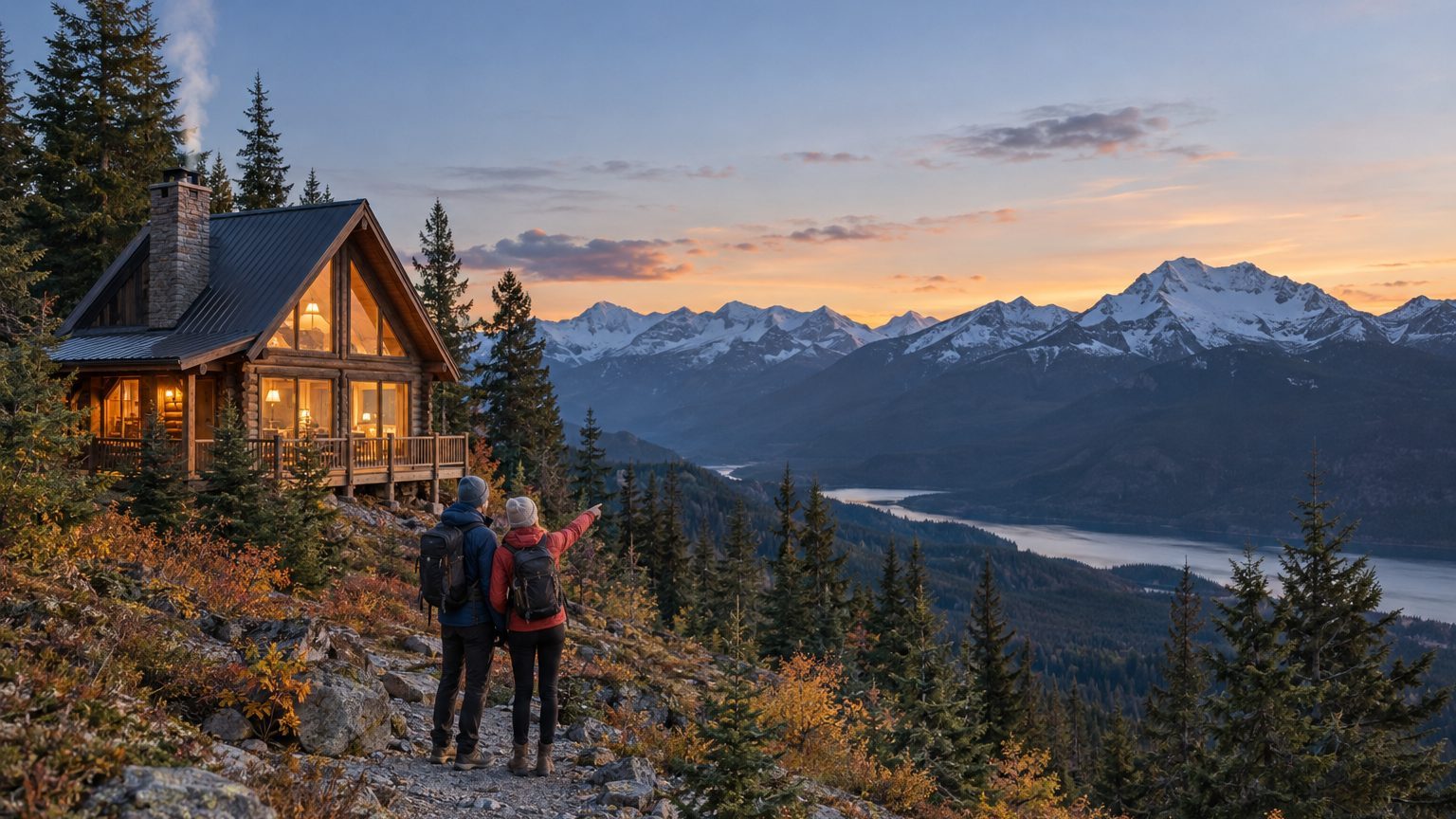
The best winter weekend getaways depend on what you want from two or three days away. For reliable snow and skiing, aim for the Rockies, Vermont, New Hampshire or the Pacific Northwest mountains between January and early March, or see our guide on Where to See Snow in December in the USA if you’re travelling earlier in the season. For a cabin within a few hours of a big city, look to the Appalachians, the Catskills and the Poconos, or browse our guide to Winter Getaways on the East Coast for more ideas. Lake towns, ice and winter festivals belong to the Upper Midwest, and our guide to Midwest Winter Getaways covers the best snowy towns and lake weekends. If you’d rather have sun than snow, the Southwest and Southern California are at their best from December to March, and our guide to Warm Winter Getaways in the Southwest has desert weekend ideas. Keep the drive to roughly 3 to 5 hours each way, and check snow reports and road conditions a few days before you leave.
How do you choose the right winter weekend getaway for your trip?
Start with the type of trip, then the region, then the town. Many people do it backwards. They fall for a photo of a village under snow and only later discover it’s seven hours away and its season starts in January. Four factors do the real sorting: snow reliability, drive time, budget and activity.
Snow reliability comes down to latitude and elevation. January and February usually have the most reliable snow, and the higher and farther north you go, the more that holds. Drive time sets the shape of the trip. Budget decides whether you’re renting a cabin with a kitchen or paying for slopeside lodging. Activity matters a great deal, because a ski weekend and a hot-springs weekend want opposite conditions. If you’re traveling with children, our guide to Winter Getaways With Kids can help you narrow the options, and if you’re planning a romantic escape for two, our roundup of Winter Getaways for Couples is a good place to start, while our guide to Winter Weekend Getaways for Couples focuses on shorter two- or three-day trips.
The table below puts the five regions side by side.
| Region | Snow reliability (best months) | Typical weekend activities | Best for | Typical trip style | Main winter caveat |
|---|---|---|---|---|---|
| New England | Dependable in the mountains, with January and February the most reliable | Skiing, village strolls, cozy inns, covered-bridge towns | Classic ski-village seekers | Drive from the Northeast. Stowe is about five to six hours from New York City, while Mystic is just under three hours along I-95 | Cold snaps, and inns that book early on holiday weekends |
| Mid-Atlantic and Appalachia | Variable at lower elevations, best in January and February | Cabin stays, hiking, small-resort skiing | Cabin lovers living near big cities | Drive. Tannersville in the Catskills is roughly two and a half to three hours from New York City | Thin or inconsistent snow in warm spells |
| Upper Midwest and Great Lakes (see Winter Getaways in Michigan for one example) | Strong through the lake-effect season, with January and February most dependable | Snowshoeing, cross-country skiing, ice skating, winter festivals, log cabins | Lake-town and small-town winter fans | Drive from regional hubs. A 3-4 night stay is ideal for a cabin, and 2 nights work in a pinch | Lake-effect storms and hard cold |
| Rocky Mountains and Pacific Northwest | Most dependable at high elevation, January through early March | Big-mountain skiing, snowshoeing, hot springs, park winter access | Serious skiers and riders | Often a fly-then-drive trip | Mountain passes and park roads that close seasonally, plus traction rules |
| Southwest and Southern California | Not the draw. Sun and mild weather are, from December to March | Desert hikes, hot springs, national park visits, patio meals | Anyone avoiding snow and ice | Fly or drive, depending on your home base | Chilly desert nights, and busy peak-season lodging |
When is the best time for a winter weekend trip between December and March?
January and February win on snow. December and March win on other things. Each month trades something.
December is for holiday lights, festivals and early-season skiing, with a gamble on natural snow at lower elevations. Build a backup into the plan: if the slopes are thin, the tree lightings and town festivals still happen. Christmas week brings the first big crowds. Popular accommodations book up 3-4 months ahead for Christmas through February, so a December trip planned in November already has fewer choices.
January and early February bring the coldest weather and the deepest, most reliable snow. They’re also quiet. Winter (January to February) counts among the least crowded stretches in New England, and midweek rates tend to sag. The exceptions are the federal holidays. MLK Day falls on Monday, January 18, 2027, and Presidents’ Day on Monday, February 15, 2027. Cabins and small inns book up early around both weekends, so reserve as soon as you know your dates, ideally 3-4 months ahead. Miss that window and you’ll be choosing from leftovers or paying holiday rates.
Late February into March has longer days and softer afternoons, and spring-break pricing arrives at the big ski resorts. High-elevation terrain in the Rockies and Pacific Northwest often keeps skiing into March, while low-elevation spots can turn slushy fast. March also suits desert trips, since the Southwest is still mild, though peak-season lodging stays busy. Check each resort’s own closing date, because season windows shift from year to year.
Which part of the US has the best snow for a winter weekend?
Elevation and latitude decide. Mountains in the north and west hold snow longest, so the Rockies, northern New England and the Cascades lead the list. The Great Lakes get their own kind of reliability from lake-effect snow, which forms when cold air crosses warmer open water. The Winter Getaways in the US page covers regions across the country, but here is how they differ in practice.

New England is the classic ski-village and covered-bridge weekend. Vermont and New Hampshire have dense clusters of small ski areas, and in Maine, January and February offer the most reliable snowfall for skiing. Drive times matter here: Mystic, just under three hours from New York City, suits a short coastal escape, while Stowe sits about five to six hours out, the outer edge of a comfortable weekend.
The Mid-Atlantic and Appalachian mountains trade snow depth for convenience. The Catskills, the Poconos and the Blue Ridge put cabins within a few hours of big cities, and Tannersville is roughly two and a half to three hours from New York City. Snow is less certain at lower elevations, so go in January or February and watch the forecast.
The Great Lakes and Upper Midwest are built for winter that you do on foot: snowshoeing, cross-country skiing, ice skating and small-town festivals. Michigan’s snow belts are a good example, and Winter Getaways in Michigan goes deeper. A log cabin in Minnesota suits a 3-4 night stay, though 2 nights will do.
The Rockies and Pacific Northwest have big terrain and dependable high-elevation snow, but roads can close. Trail Ridge Road in Rocky Mountain National Park
normally closes in mid-October and opens to thru travel during the last week in May
, and the alpine stretch of Going-to-the-Sun Road in Glacier
typically closes for the winter around the third Monday of October
. In Glacier, the lower sections stay open, and
the road near Lake McDonald Lodge is ideal for cross-country skiing and snowshoeing
.
The Southwest and Southern California are the sun-seekers’ answer. Hot springs, desert hikes and mild afternoons are the point, and desert nights can still run cold, so pack a layer.
How far should you travel for a two- or three-night winter getaway?
Aim for 3 to 5 hours each way. With two nights and a Friday-evening departure, a 5-hour drive in each direction eats about 10 hours of a roughly 48-hour trip. Stowe’s five to six hours from New York City is about the limit, and worth it only if you can stretch to three nights.
Flying makes sense once the drive passes the 5-hour mark, or when the destination is a big mountain range far from home. Colorado, Utah, Montana and the Pacific Northwest are fly-and-drive trips for most of the country. Compare the full door-to-door time, including airport buffers and the winding mountain road from the airport to the resort. A winter storm can erase the time a flight saves, so leave margin on the return.
Winter driving adds risk that changes the itinerary. Before a mountain trip, check tires for correct inflation, adequate tread depth and the right tire type for expected conditions. Confirm your spare is inflated and usable. Keep the tank fuller than you would at home, since mountain driving is more fuel-intensive and service stations are often further apart. And tell at least one person where you’re going and when you’re due back, so emergency services can be alerted if you don’t return on time.
Rules can differ by state. Colorado’s Traction Law, for example,
is in effect every Sept. 1 through May 31 on I-70 between Dotsero and Morrison, and CDOT can activate it on any state highway during a storm
. A scenic shortcut that looks like 20 minutes saved may be closed by December. Choose the route wisely, and check whether it’s currently passable and whether chain controls are in effect.
How much does a winter weekend getaway cost?
Prices swing widely by region, month and weekend, so use this as a framework rather than a quote. Lodging is usually the largest line. Lift tickets or equipment rentals, fuel or flights, and food make up most of the rest, in proportions that vary by trip. Ski-town lodging is highest around Christmas, MLK Day and Presidents’ Day. A drive-to cabin tends to cost less than slopeside rooms, and you save on restaurant meals if you cook. Flying adds airfare and often a rental car, which is why a 4-hour drive often beats a flight on cost.

Lift tickets are priced by date and resort, with holiday weekends at the top. A non-ski weekend avoids that line entirely: snowshoeing, cross-country skiing, ice skating, hot springs and winter festivals often cost much less than a day on the lifts, and many state park trails charge little or nothing. A Southwest desert weekend sits on a different price curve, where peak season runs through the winter months.
Several moves cut costs without gutting the trip. Go midweek, or choose January over a holiday weekend. Book early, since popular lodging fills 3-4 months ahead for Christmas through February. Booking directly with a verified owner or manager can avoid Airbnb, Vrbo or Booking.com guest fees. Pick a cabin with a kitchen and, ideally, a washer and dryer, which lets you pack lighter. Ask whether you need to supply firewood or fire starters. And drive to a destination at the shorter end of your radius, so gas stays modest.
Rental scams are a risk, especially when demand peaks. Don’t wire money or pay with a prepaid or gift card for any vacation rental. Check that the property address really exists using Google Maps, and read the contract before sending any deposit. The BBB concludes renters should talk with the owner or manager before making any payment, and vague answers are a clear red flag.
What should you check before booking a winter weekend trip?
Run through this list a week or two out, and again two days before you leave:
- Snow reports: the resort’s own report, plus the National Weather Service forecast for the area
- Road conditions: your state DOT or 511 site for your route and your destination
- Seasonal closures: park and pass roads, which can shut well before the heaviest snow
- Traction requirements: tire, chain or all-wheel-drive rules on mountain highways
- Cancellation terms: refund windows, weather policies and rental agreements
Check weather and road conditions before traveling, and then check the weather in the week leading up to the trip to confirm what to pack. On the traction point, recent Colorado rules call for tires with 3/16-inch tread. The law
applies to all 4WD and AWD vehicles
too, so all-wheel drive alone doesn’t make you compliant, and when the Passenger Vehicle Chain Law is active,
every passenger vehicle needs chains or an approved traction device
.
Cancellation terms matter more in winter because storms are a common reason trips fall apart. Read the policy for a weather exception, ask whether a credit is offered if roads close, and get the agreement in writing: owners and managers will have renters sign a rental agreement, and if they don’t, renters should consider a different property. Local taxes usually apply, and payment should go only to the owner or a professional property manager. For pricier trips, consider an extra layer of travel insurance.
Three mistakes show up again and again. People book a low-elevation destination in a warm spell, then find bare ground. They ignore seasonal road closures, like Trail Ridge Road or the Going-to-the-Sun alpine section. And they forget that many mountain towns have limited services in winter, with some restaurants, shuttles and park lodging closed. Call ahead, fuel up in the last big town, and keep your plan B in reach.
Frequently Asked Questions
Do I need all-wheel drive or snow tires for a winter weekend in the mountains?
Tires matter more than drivetrain. Check tread depth, inflation and tire type before you go, and carry a usable spare. In Colorado, the Traction Law applies to AWD and 4WD vehicles too, and a chain law can require chains from everyone, so look up your state’s rules on the DOT site before leaving.
What are some winter weekend getaways that don’t involve skiing?
Snowshoeing and cross-country skiing, ice skating, hot springs, winter festivals and holiday-lights towns all work without a lift ticket. Lake towns in the Upper Midwest and Great Lakes lean on these. National parks offer winter access too: Glacier’s lower road sections stay open, and Rocky Mountain’s Bear Lake Road corridor stays plowed. Desert Southwest trips are another no-snow option.
What should you pack for a winter weekend trip?
Pack layers, waterproof boots, warm socks, hats and gloves, and one dressy-casual outfit for dinner. Check the forecast in the week leading up to the trip to confirm which items make sense. For a cabin, also check whether you need to bring your own wood or fire starters. In the car, carry a charged phone, water and a blanket.
Is a cabin or a hotel better for a winter weekend getaway?
A cabin suits trips of 2 to 4 nights, groups, and travelers who want a kitchen, a fireplace and quiet. A hotel or inn is simpler if you want daily housekeeping, on-site dining or ski-in convenience. Cabins and small inns book up early around MLK Day and Presidents’ Day, so reserve ahead either way.
Are January and February cheaper than December for a winter weekend trip?
Often, but not on holiday weekends. January and February are among the quieter times to visit New England, and midweek stays are generally easier to book. MLK Day (January 18, 2027) and Presidents’ Day (February 15, 2027) weekends raise demand at ski and cabin destinations. Christmas week is usually the most expensive stretch, while early December can be easier on the budget.
Sources: cntraveler.com | passportinphotos.com | momendeavors.com