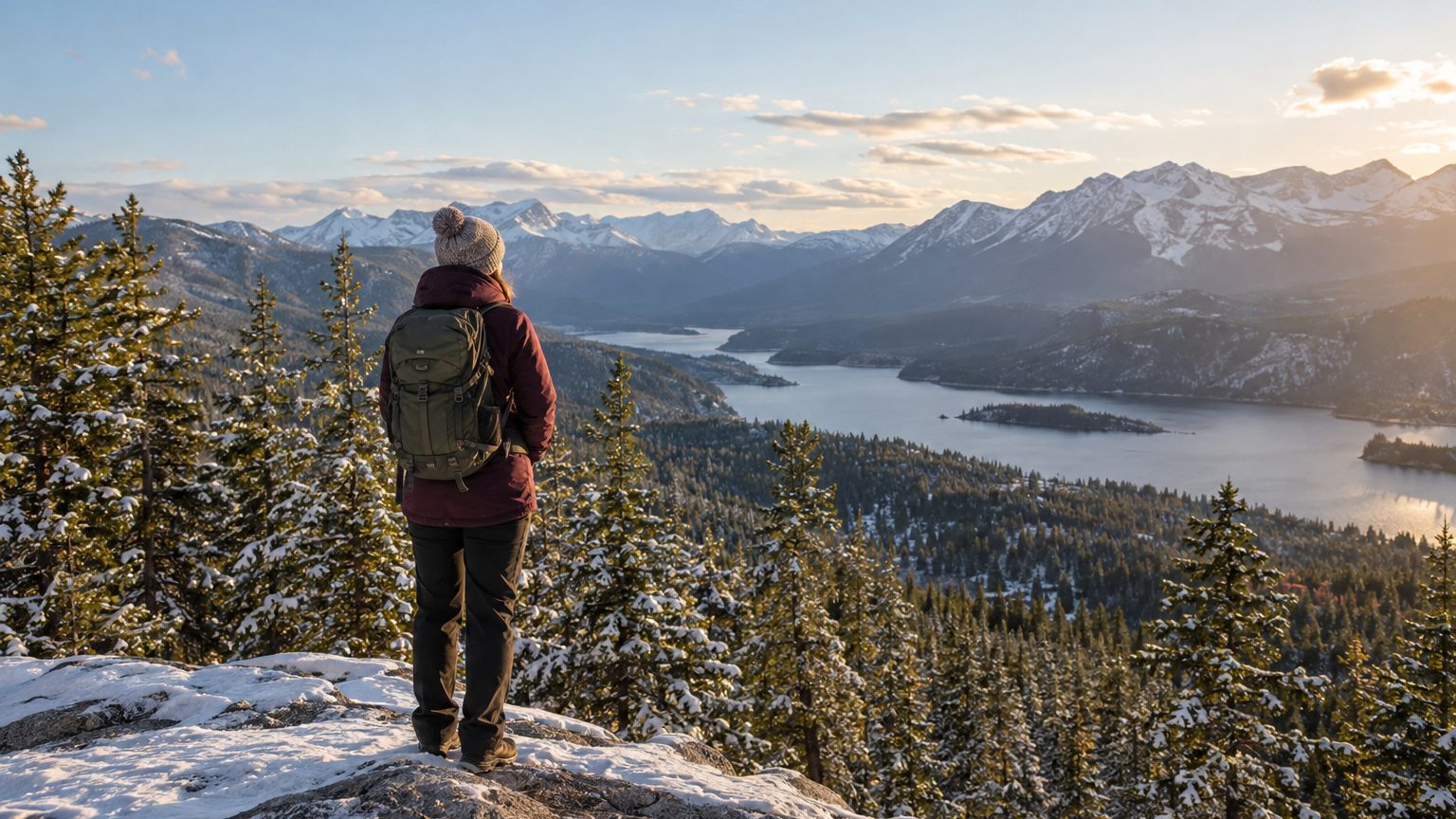
Winter getaways in the US split into two camps, and the split is wider than most travelers expect. In one, you’ll find 6,000 acres of ski terrain at Big Sky. In the other, Malibu has highs in the upper 60s and Las Vegas hovers between 40°F and 60°F. The decision on snow versus sun shapes everything else: flights, packing, budget, even how many days you need.
This year there’s a wild card. NOAA’s September update put the odds of a very strong El Niño above 90 percent, with a 97 percent chance it lasts through spring 2027.
- NOAA puts the odds of a very strong El Niño above 90 percent this year.
- Tahoe’s snowfall in strong El Niño winters has ranged from about 55 to over 200 percent of normal.
- Malibu averages highs in the upper 60s with little chance of rain in winter.
What a strong El Niño means for your snow plans
El Niño winters reshuffle the deck, but not evenly. Forecasters who track ski regions see the northern Rockies tilting slightly poor, a flip from La Niña winters, when the same stations typically ran around 110 percent of normal. Utah and Colorado, by contrast, show almost no signal: Summit County’s median snowfall in strong El Niño years is essentially the same as in neutral or La Niña ones.
Tahoe is the gambler’s pick.
Strong El Niño winters there have ranged from roughly 55 to 62 percent of normal (1991-92) to more than 200 percent on both shores (1982-83). That is a wide spread for a trip you book months ahead. The Northeast gets a cautious near- to below-normal lean for mountain snowfall, with low confidence in exact totals, so a Vermont weekend could go either way.
One more detail matters. More precipitation doesn’t automatically mean more snow, and a warm storm can rain on the parking lot while burying the upper mountain. Altitude, is your insurance policy.
Seasonal outlooks also say little about the five days you’ll actually be there. Watch the 1-to-15-day forecast as your departure approaches, and favor resorts with high-elevation terrain and a flexible booking window.
Snow: matching the mountain to the trip
Colorado remains the safest default. Breckenridge has become a go-to because it is not only a skier’s town: non-skiers can try winter hiking, fat biking and sledding. That matters if your group splits between people who live for chairlifts and people who live for hot chocolate.
Utah offers a different logic. Park City Mountain has scheduled its 2026-27 season to run from November 20, 2026, through April 19, 2027, weather permitting, a five-month window that gives you room to dodge a bad storm cycle. Add the dry, light powder Utah is known for and the odds tilt your way.
Big Sky, Montana, is gaining ground among serious skiers. Its nearly 6,000 acres of skiable terrain mean the lifts rarely feel crowded, though the El Niño tilt in the northern Rockies argues for booking flexibly. Jackson Hole and Aspen sit in the same upscale-and-steep category, with prices to match.
Not every snowy trip needs a lift ticket. Gatlinburg, Tennessee, builds its winters around Ober Mountain, where skiing, snowboarding and snow tubing come with views from an aerial tramway. Bend, Oregon, offers a cleverly lopsided deal: the mountains host the region’s best ski resorts, but the city itself gets relatively little snow. You can drive in without chains and still ski by lunchtime.
East Coast families can skip the airport entirely. Vermont’s Smugglers’ Notch, for example, saves the cost and hassle of flying across the country for a ski trip, which at holiday prices is no small saving.
Sun: where winter simply doesn’t show up
Phoenix is the quiet heavyweight. The desert city is sunny year-round, but in winter the heat that makes July miserable disappears, leaving patios, golf and hiking trails at their best. Compare that with the Midwest in January and the appeal is obvious.
Florida is the old standby for a reason.
South Florida delivers beach days in January, and the choice comes down to scale. Hollywood, just north of Miami, is calmer than its neighbor, and its signature feature is the Hollywood Beach Broadwalk, a roughly 2.5-mile promenade along the Atlantic made for walking, cycling and long outdoor lunches. Orlando suits families who want theme parks over sand, and Key West suits couples who want neither.
Southern California is the pick for travelers who want a beach without a tropical flight price. Malibu averages highs in the upper 60s with little chance of rain, which is jacket weather, not swimsuit weather. San Diego sits a notch warmer and has the more classic beach-town feel. El Niño tends to bring wetter conditions to the southern tier, so build a rainy-day plan, whether that’s a museum, a spa or a long dinner.
Las Vegas is the budget wildcard. It has ranked first for affordable accommodations among warm-weather winter cities, though flights can run pricey depending on your departure point. Savannah, Georgia, sits in a third lane: no snow, no beach resort, just historic squares and mild days, with Tybee, Jekyll and other barrier islands within reach for a coastal side trip.
Choosing without regret
Start with how many days you have. A long weekend favors places reachable on a short, direct flight: Denver for Colorado ski towns, Salt Lake City for Park City, Phoenix or Las Vegas for sun. Each extra connection eats a day of a three-day trip.
Then settle the timing. Holiday weeks are the most expensive and crowded stretch on both sides of the snow-or-sun divide. January after the first week is usually the sweet spot for mountain deals and cheaper beach hotels, while February and the Presidents’ Day weekend bring the crowds back.
For snow trips, book lodging with flexible cancellation, because standard travel insurance generally won’t pay out when the lifts run and the snow is poor. For sun trips, check the extended forecast a week out and pack one layer more than you think you need, since cold fronts do reach Florida and Arizona.
Some travelers refuse to choose. One wise option among winter getaways in the US is a hybrid, such as Lake Tahoe in the morning and a casino buffet by night, or Bend for skiing followed by a quiet town where you won’t shovel anything. A better hedge still is a place where snow isn’t the only attraction, so that a thin snowpack costs you a day, not a trip.
One practical number to keep in mind: many resorts publish their opening dates early, but those dates move with the weather. Park City’s November 20 target is a plan, not a promise, so confirm directly with any resort before you pay for a ski package.
Sources : travelandtourworld.com | powderchasers.com