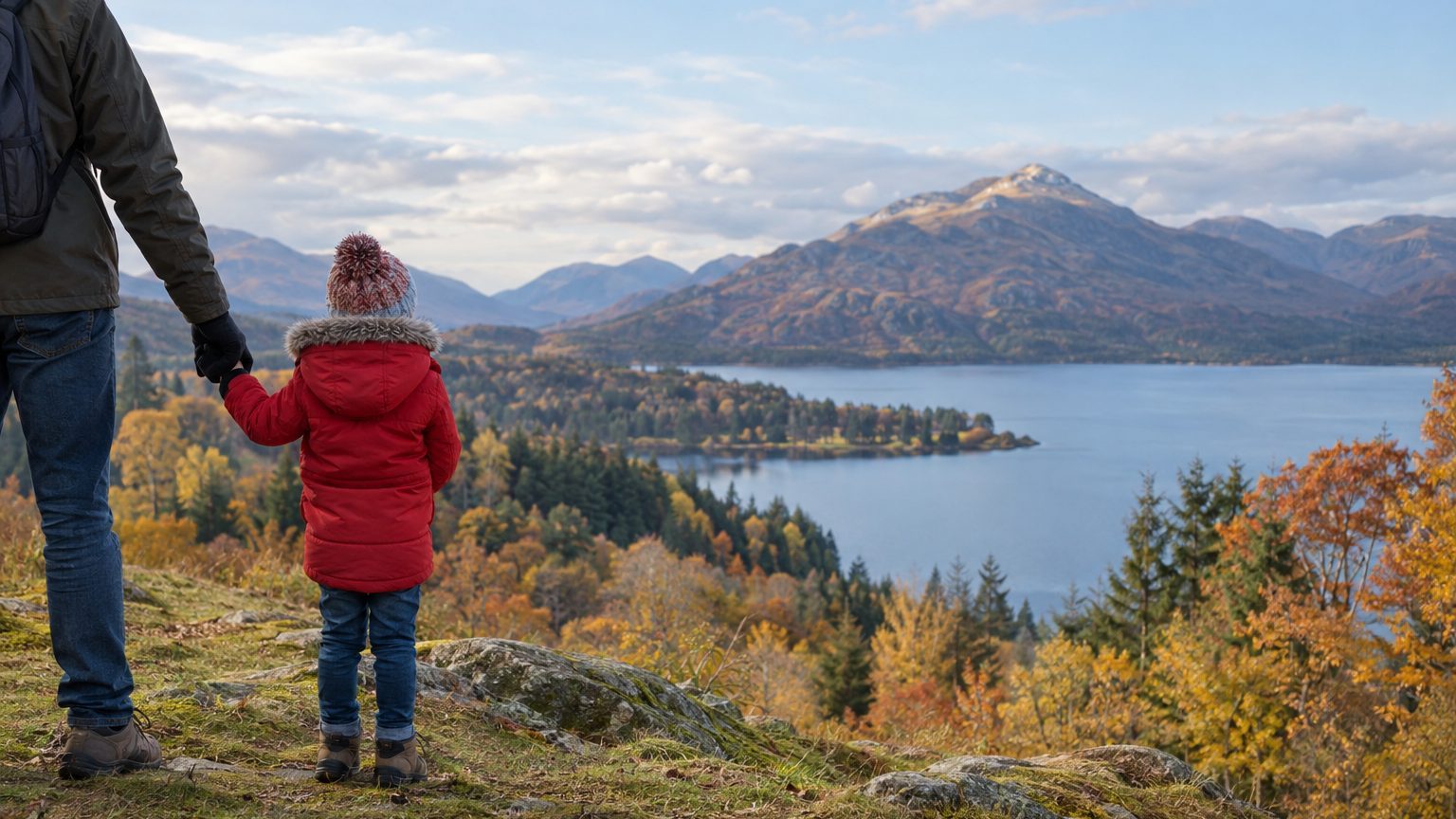
Not every winter trip has to be a ski trip, and for families with kids under seven that’s good news. The best winter Getaways With Kids start with a question about the child, not the destination: how long can they stay out in the cold before the fun turns into tears? Most resort ski schools start group lessons around age three, and kids usually need to be potty trained first.
That one rule reshapes the whole planning process.
- Most resort ski schools start group lessons around age three, and kids usually need to be potty trained first.
- Keystone lets kids 12 and under ski free with two or more nights of resort-booked lodging.
- Wind chill can cause frostbite within 30 minutes at minus 25°F wind chill.
Match the trip to the age, not the brochure
Toddlers and preschoolers do best at a base that offers more than skiing. Steamboat, Colorado, spreads events like its Winter Carnival across the season, and Smugglers’ Notch in Vermont has built its reputation on kid-friendly amenities. Northstar, near Lake Tahoe, offers lessons from age three and has a village with plenty to do off the slopes. A three-year-old may last ninety minutes on snow. The other six hours of the day still need a plan.
Elementary-age kids are the sweet spot. They can take lessons, they have the stamina for a half day, and they still think a gondola ride is a thrill. Look for a mountain with a dedicated beginner zone, like the one at Crystal Mountain in Washington, where lessons run for ages 3 to 12. Giants Ridge in Minnesota is another good learning hill, and kids 12 and under ride free there all winter with no blackout dates.
Teens are a different assignment. They want terrain, and they won’t tolerate being treated like toddlers. Big mountains such as Jackson Hole and Park City suit them better than a bunny-hill resort, even if the village is less cozy.
Not skiing at all is a legitimate choice, too. A cabin near a state park with a sledding hill, a small-town winter festival or a lodge with an indoor pool can deliver a better weekend for a family of non-skiers. Fewer lift lines. Fewer boots to buckle. Often a lower bill.
Where kids ski free (and the fine print)
Lift tickets are what turn a family ski weekend into a second-mortgage conversation. At the priciest resorts, a family of four can easily spend $1,400 a day once lessons, rentals and lunch are added. Free kids’ tickets can cut that number down fast.
The deals come with conditions. Keystone, which pioneered the idea, lets kids 12 and under ski free when the family stays two or more nights in lodging booked directly with the resort. Sun Valley asks for three or more nights in resort lodging. At Steamboat, buying an adult five-day ticket gets kids 12 and under on the lifts free.
Younger children get even broader breaks. Snowbird in Utah lets kids 6 and under ski free all season, while Palisades Tahoe sets that age at 4 and under and Bachelor in Oregon at 5 and under. Snowbird also offers a free unlimited youth pass, for ages 18 and under, with the purchase of an adult season pass.
Smaller regional mountains can be the best value of all. The Power Kids Pass is free for children 12 and under and covers resorts including Purgatory in Colorado, Brian Head in Utah, Arizona Snowbowl and Lee Canyon in Nevada. Families who ski a handful of weekends a year can save more there than at a marquee resort.
Policies change every season, so read the fine print before booking.
One cautionary example: Keystone’s free-kids offer no longer applies at a Dillon hotel that once qualified, even on paid stays. Booking through the wrong channel can quietly erase the savings.
The cold-weather math every parent should do
Kids lose heat faster than adults because their bodies are smaller. The American Academy of Pediatrics advises avoiding outdoor play when the temperature or wind chill falls below minus 15°F. Children also tend to ignore the cold when they’re having fun, which means you have to be the thermostat.
Wind chill matters more than the number on the thermometer. A temperature of 0°F with a 15 mph wind feels like minus 19°F, and frostbite can set in within 30 minutes under those conditions. The National Weather Service estimates that at a wind chill of minus 25°F, it can take as little as 15 minutes.
Layers do most of the work. Think a thermal base, an insulating middle and a waterproof outer shell, plus mittens and socks that are dry and warm. Wet clothing should come off right away, and a spare set of mittens in your daypack is cheap insurance.
Frostbite shows up mostly on fingers, toes, ears, noses and cheeks. Look for skin that turns white or grayish-yellow, feels waxy or firm, or goes numb after burning or stinging. If you see it, bring the child indoors to warm up gently and seek medical attention if the signs persist.
Sunscreen belongs in the bag as well, because snow reflects glare and kids burn in winter. Hydration needs attention too, since children are more likely than adults to get dehydrated. A thermos of hot chocolate counts, but so does plain water.
Build in a warm-up break every hour or so, whatever the thermometer says.
Timing can ease the pressure on both your wallet and your schedule. Several major resorts open in the second half of November, and early-season weeks tend to be quieter than holiday weeks. Steamboat’s early-season kids-ski-free offer, which needs no other purchase, starts in mid-November this year.
Sources : ski.com | skimag.com