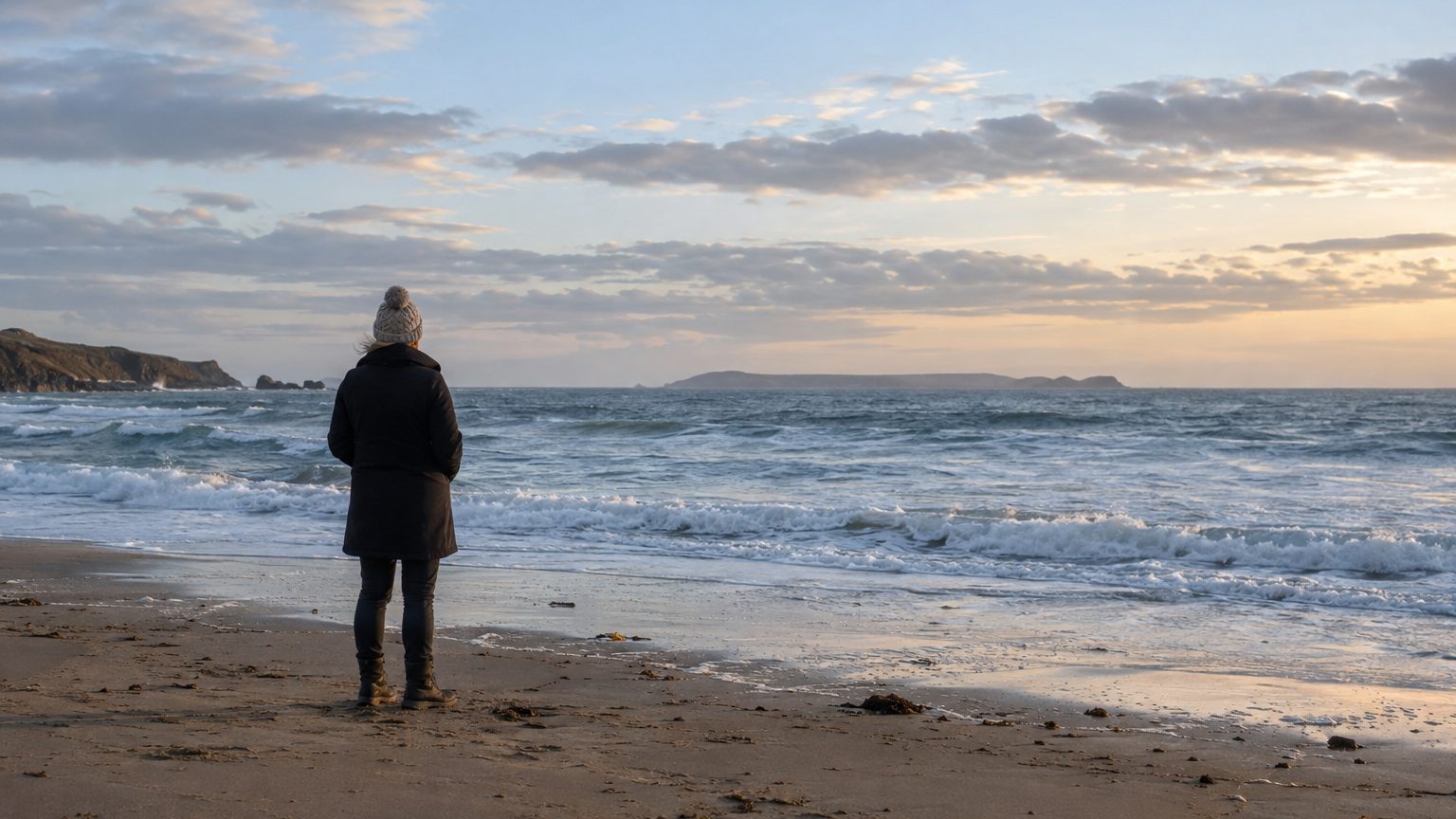
Winter getaways east coast style come in two camps, and the gap between them is about 30 degrees. In January, Key West averages highs near 75°F, while Asheville tops out around 44°F and Stowe, Vermont, can bury visitors under roughly 300 inches of snow over a season. Most disappointing trips come from booking one camp while hoping for the other.
Decide first: snow or sun.
- January highs in Key West average near 75°F, while Asheville tops out around 44°F.
- The Acadia Park Loop Road closes to cars from December 1 through April 14.
- Cape May’s January temperatures hover around 45°F by day and freeze at night.
Snow, ice and woodsmoke up north
Stowe tops most lists for good reason. Stowe Mountain Resort is the main draw, but the 5.5-mile Stowe Recreation Path turns into a snowshoe and cross-country route with views of Mount Mansfield, which suits anyone who would rather skip the lift line. Manchester, Vermont, works as a base for Bromley and Stratton, with indoor skating at Riley Rink and snowshoe trails nearby. Nearer to New York City, Mountain Creek in Vernon, New Jersey, runs 46 trails and is friendly to beginners.
Lake Placid does winter with a flourish. Whiteface Mountain and the town’s Olympic sites anchor the schedule, and the Holiday Village Stroll on December 11 to 13 fills Main Street with lights and crowds.
Then there is Acadia, the offbeat pick. The Maine park never closes, but the Park Loop Road shuts to cars from December 1 through April 14, except for two plowed sections: the Ocean Drive stretch past Sand Beach and Thunder Hole, and Jordan Pond Road. The closed sections stay open to walkers, cyclists and skiers, which turns a 27-mile scenic drive into an empty groomed-by-nature trail. Only around 50,000 people visit between December and March, a sliver of the summer rush, so bring layers and a backup plan.
Where the thermometer still reads 60
Charleston and Savannah are built for people who want to walk, eat and look at old buildings without freezing. January highs sit near 59°F in Charleston and 60°F in Savannah, with lows in the mid-40s. Charleston adds horse-drawn carriage tours, cobblestone streets and the shops along King Street.
Florida pushes the dial further. Key West and Miami reach the mid-70s in January, and St. Augustine, a milder 64°F or so, trades beach time for holiday lights. Key West sits about four hours’ drive from Miami, so budget the road time when you price the trip.
Asheville splits the difference. Its January range of roughly 27°F to 44°F is cold, but the Blue Ridge setting, the arts scene and off-season hotel rates make up for it. Prices run well below peak fall foliage season.
North Carolina even claims the East Coast’s largest snow tubing park.
That is Hawksnest near Banner Elk, with more than 30 lanes across four areas. It runs a zipline too, for days when the snow does not cooperate.
Quiet coasts and city breaks
Cape May, New Jersey, may be the best argument for visiting a beach town in the off-season. January temperatures hover around 45°F by day and freezing at night, and the Victorian streets are nearly empty. The drive is about two and a half hours from Philadelphia, and costs run lower than at most spots on this list. The catch is real: some restaurants and shops close for winter, so call ahead before you plan a dinner around one. Portland, Maine, and Newport, Rhode Island, work the same way, with a slower pace and an atmosphere many visitors find better without summer crowds.
Cities barely slow down. In New York, you can skate at Bryant Park’s Winter Village, walk the Museum Mile or wander the High Line, then retreat into a ramen shop when the wind picks up. Boston suits a two- to four-day break built around museums and food, and Philadelphia offers smaller crowds and the occasional dusting of snow.
Farther east on Long Island, Montauk is very quiet in winter. It makes sense if the goal is a gray Atlantic and a long walk to the point, with Southampton or Sag Harbor offering more restaurants nearby.
What to plan before you go
Winter on this coast changes week to week. A nor’easter that formed on January 30, 2026, rated a Category 2 on NOAA’s regional snowfall index and caused an estimated $550 million in damage, and it started by dumping snow on the Southeast. A flexible booking and a close eye on the forecast beat any itinerary.
Driving takes longer than the map says.
Mountain roads, ferries and rural routes slow down in snow, so add buffer time on both ends of the trip. Check hours before you commit, since cultural attractions often cut back or close on certain winter days. At Acadia, the Hulls Cove Visitor Center closes in early November, so the winter information desk and Park Headquarters take over with shorter hours. Pack layers, waterproof boots, and a charger for the car.
One last detail for the Acadia-bound: the 1,530-foot summit of Cadillac Mountain, the highest point on the eastern seaboard, sits behind a vehicle gate from December 1. Anyone who gets there in winter earns it without a car.
Sources : onmetravel.com | everafterinthewoods.com