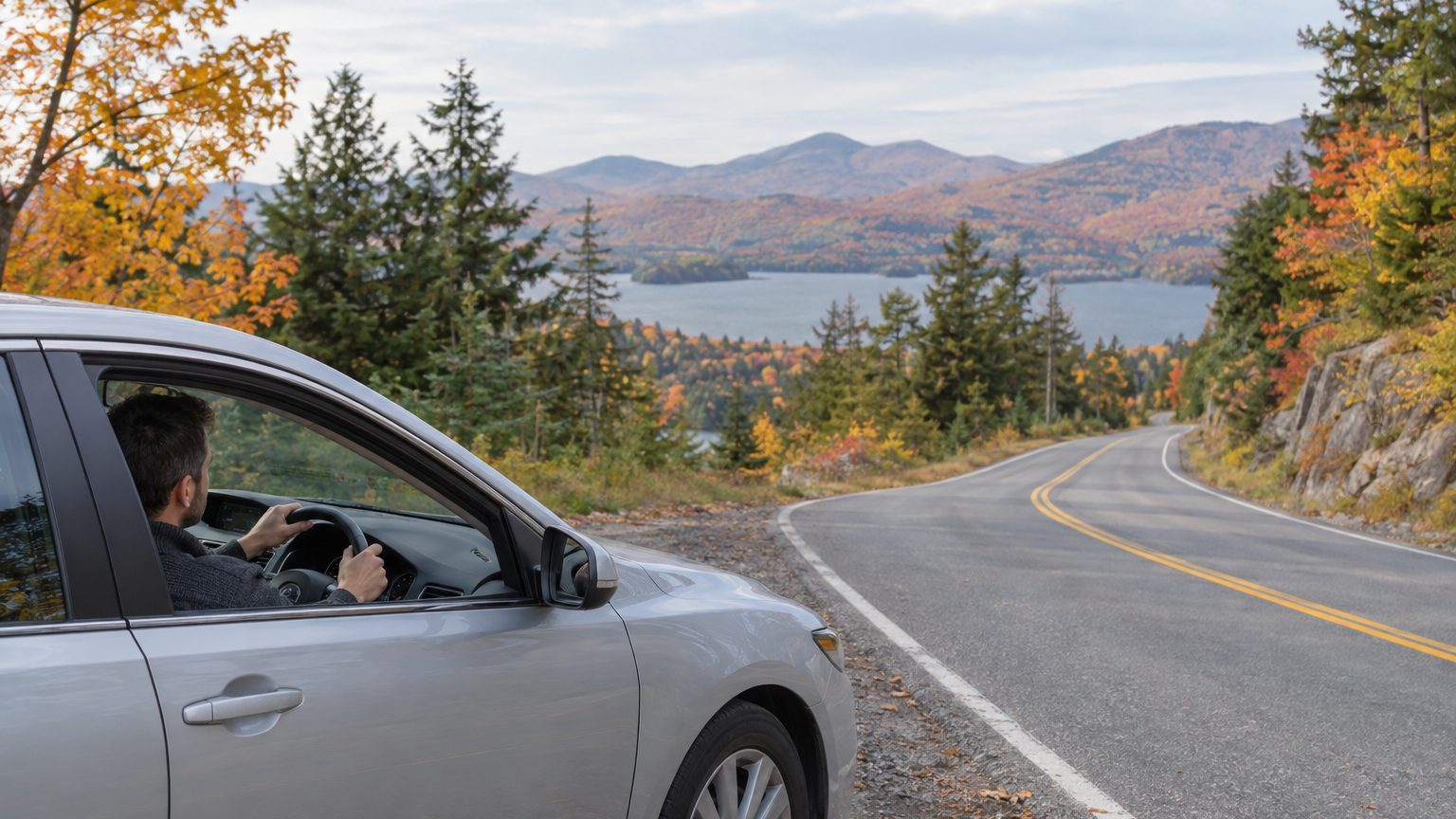
Atlanta is one of the easier big cities to leave. Within about four hours by car, you can reach a mountain town, a river city with a famous aquarium and a coastal district of oak-draped squares. The best Weekend Getaways From Atlanta come down to one decision: how much of your Saturday are you willing to spend behind the wheel?
- Blue Ridge is about 90 miles north of Atlanta, roughly an hour and a half by car.
- Savannah is about 250 miles away, with drive times of three and a half to four and a half hours.
- Charleston is about 300 miles from Atlanta, usually four and a half to five hours of driving.
Under two and a half hours: the Friday-night escapes
Blue Ridge is the obvious first pick. The town sits roughly 90 miles north via I-575, about an hour and a half away, so you can leave after work and still be unpacking before the restaurants close. Cabins, a scenic railway and river tubing make it the default choice for a first-time North Georgia trip.
Chattanooga is next. It’s about 120 miles up I-75, close to two hours, and it just across the Tennessee line.
The city packs a lot into a walkable footprint, with the Tennessee Aquarium and Lookout Mountain as the two big draws. Fall is the favorite season there, when the surrounding ridges turn gold and the humidity finally lets go. A one-night stay works, but two nights lets you do the mountain without rushing the riverfront.
Greenville, South Carolina, lands at about two hours and twenty minutes via I-85. Its downtown centers on a waterfall park, and the restaurant scene punches well above what you’d expect from a city its size. Treat it as the lower-effort alternative to Asheville.
Worth a head start: Asheville and Savannah
Asheville takes roughly three and a half hours. The payoff is an arts district, a deep craft-brewery bench, the Biltmore Estate and the Blue Ridge Parkway on the doorstep. October foliage makes it popular, so book lodging early if you’re aiming for peak color.
Savannah is the other heavyweight.
The trip runs about 250 miles, and drive-time estimates range from three and a half to four and a half hours depending on when you leave and how I-75 behaves around Macon. Once you’re on I-16, the road is fairly empty, with gas and food stops sometimes 30 to 40 miles apart, so fill up in Macon or Dublin rather than gambling on the exit. The city rewards a slow pace: the historic squares, Forsyth Park, a river cruise and a Saturday morning farmers market if your timing lines up.
Savannah also has a built-in extension. Tybee Island sits at the end of the road, about 4 to 4.5 hours from Atlanta, and adds a beach day without much more planning. Spend Friday night in town, Saturday on the squares and Sunday on the sand, then head home by late afternoon.
Nashville belongs in this tier too, at around four hours northwest, for anyone who wants live music and nightlife instead of trees and trails.
Five hours out: when a long weekend makes sense
Charleston is about 300 miles from Atlanta, and the drive usually takes between four and a half and five hours. That is a lot of road for two nights. Most travelers who do it treat it as a three-night trip, which gives them time for the historic district, the harbor-front Battery and a beach afternoon.
The math changes if you fly into Atlanta and link two cities. Savannah and Charleston sit only about 108 miles apart, a drive of roughly two hours, and plenty of people string them together into a longer loop. For a plain weekend, though, I’d pick one and do it properly.
The Golden Isles are the quieter coastal alternative. St. Simons Island, Sea Island and Jekyll Island sit about five hours south of the city, and Jekyll is roughly 90 minutes from Savannah if you want to combine them. Expect bike paths, marsh views and far less nightlife than Charleston.
Skip the five-hour tier if you only have Saturday and Sunday.
Timing the trip so the drive doesn’t win
Season matters more than most people expect. Spring and fall are the sweet spots for the coastal cities, since summer brings heat, humidity and unpredictable rain. Spring is also peak season, so crowds and prices climb. Late fall and winter are the quietest and cheapest stretch for both Savannah and Charleston, even if the mountains lose their color.
Hurricane season is the one thing to check before booking a coastal trip. It runs from June through November, with August and September carrying the most risk, which is why travel insurance is worth pricing for those months. The National Hurricane Center posts current outlooks, and a quick look the week before you go costs nothing.
Atlanta traffic is the other variable. I-75 south and I-85 north both clog on Friday afternoons, and the stretch near Macon can slow you down on the way to Savannah. Leaving before the evening rush or after about 9 a.m. on a weekend morning can easily save you 30 to 45 minutes.
A practical rule of thumb: match the destination to the clock you actually have. Under two hours is a true two-night trip. Between two and four hours, you need a Friday-afternoon head start. Anything beyond that calls for a third night or a good audiobook.
One last detail for planners: Georgia’s state parks, including Amicalola Falls near Dahlonega, charge a daily parking fee that is modest compared with most hotel add-ons. A short hike before the drive home is the cheapest way to make a weekend feel longer.
Sources : yourtravelplanning.com | vacasa.com