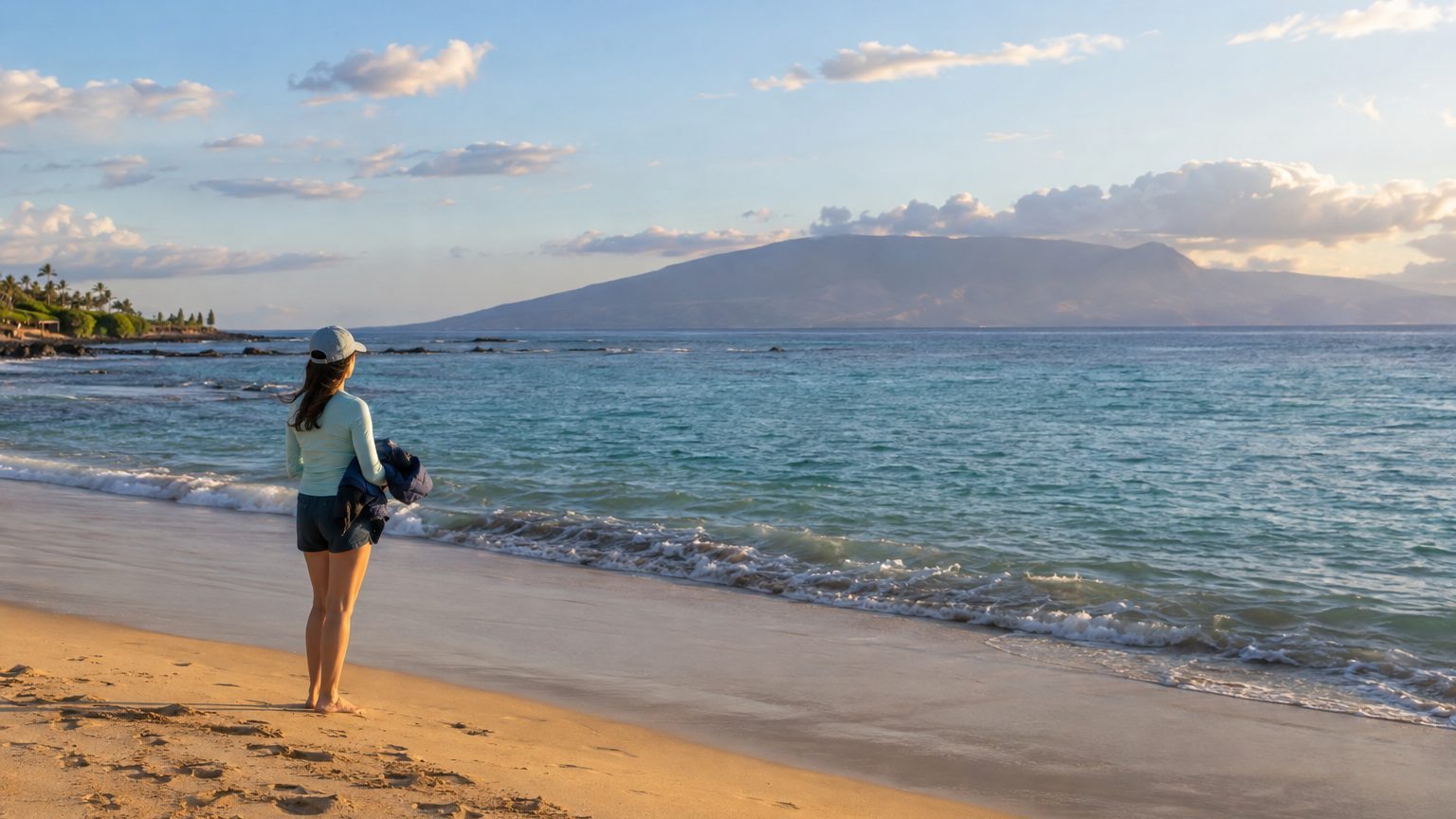
Daytime highs near 80°F, an ocean in the mid-70s and a decent chance of a shower before lunch: that’s Hawaii in December in one line. The wet season has started, but “wet” is relative on islands where a few miles can separate a desert from a rainforest. Your choice of island and coast will shape the trip more than the week you pick.
Hurricane season ended November 30.
- Leeward coasts run 78 to 82°F in December, with ocean temperatures around 75 to 77°F.
- Hilo averages about 13.6 inches of December rain, while Kailua-Kona gets about 1.8 inches.
- Humpback whales peak from January through March, and sightings grow more reliable by the third week of December.
What the weather does in December
On leeward coasts, the sheltered sides facing away from the trade winds, daytime highs typically run 78 to 82°F, and nights are roughly 10°F cooler. The ocean sits around 75 to 77°F, according to NOAA data. That’s warm by mainland standards, but a rash guard keeps you comfortable if you plan long snorkeling sessions. Weather can also turn quickly, so a clear morning doesn’t guarantee a clear afternoon.
Rainfall numbers show how much geography matters. Hilo, on the Big Island’s windward side, averages around 13.6 inches in December, while Kailua-Kona on the dry side gets about 1.8 inches. Princeville and Hanalei, on Kauai’s north shore, land between 9 and 10 inches.
The trade winds soften and become less dependable this time of year, and humidity creeps up. Kona winds, blowing from the south or southwest, can flip the usual pattern and bring rain to coasts that are normally dry. A few days of that is unusual, but it does happen.
Surf is the other half of the story.
December is the heart of big-wave season on Oahu’s North Shore, and the pro contests there are the reason the area has its reputation. In late December 2023, the National Weather Service warned of surf up to 30 feet on north and west-facing shores of Oahu, Kauai, Molokai and Niihau, plus north-facing Maui shores, with powerful rip currents at most beaches. A Honolulu meteorologist noted that such waves are not uncommon in the winter months. Watching from the sand is a spectacle, but swimming on those shores is a bad idea. South-facing beaches, such as Wailea on Maui, tend to be calmer.
Which island fits your December
Maui is the safest bet for most travelers. South and West Maui are typically sunny and dry, and the channel between Maui and Lanai is one of the state’s best spots to see humpback whales from a boat. Whale tours leave from several harbors, including Lahaina.
The Big Island’s Kohala and Kona coasts usually have the fewest rainy days, so they feel like the sunniest option. The island also offers a way to cool off. Summits like Mauna Kea and Haleakalā on Maui can be far colder than the beach, with chilly mornings and evenings, so a fleece belongs in the bag even if you never plan to leave the coast.
Oahu follows the same broad pattern as the other islands, but it adds city energy. Whale-watching boats depart near Waikiki, holiday lights go up in Honolulu, and the North Shore is a short drive for anyone who wants to see the surf. Just keep an eye on conditions, since winter swells can affect comfort and departures.
Kauai is beautiful in December and, frankly, rainy, especially along the north shore. Repeat visitors who want quiet beaches and don’t mind adjusting plans will love it. First-timers may find it frustrating.
Kauai rewards flexibility, not schedules.
Timing, whales and packing
Humpbacks visit Hawaii from November through May, with peak viewing from January through March, according to the Hawaiian Islands Humpback Whale National Marine Sanctuary. December sits on the early edge of that window. Sightings pick up as the month goes on, and by the third week a Maui whale-watching tour has a very high chance of finding animals. Earlier in the month, you’re gambling a little.
The first 18 days of December make a strong case for themselves. Holiday pricing hasn’t kicked in, rainfall tends to build toward the end of the month, whales are arriving and North Shore swells are filling in. From around Christmas through New Year’s, crowds and prices climb, so book flights, rental cars and tours early if your dates are fixed. Waiting for a deal that week rarely pays off.
Pack for 70s and 80s, not for a single “Hawaii” climate. A light rain jacket, a layer for high elevations and a rash guard cover most surprises. Add sandals you don’t mind getting soaked.
Weather apps tend to average an entire island into one number, which hides the gap between the sunny side and the soggy side. The National Weather Service office in Honolulu publishes a surf zone forecast that breaks conditions down by shore and by island, and it’s a better planning tool than a generic icon. Check it the night before you pick a beach.
Sources : hawaii-aloha.com | exclusivelimomaui.com