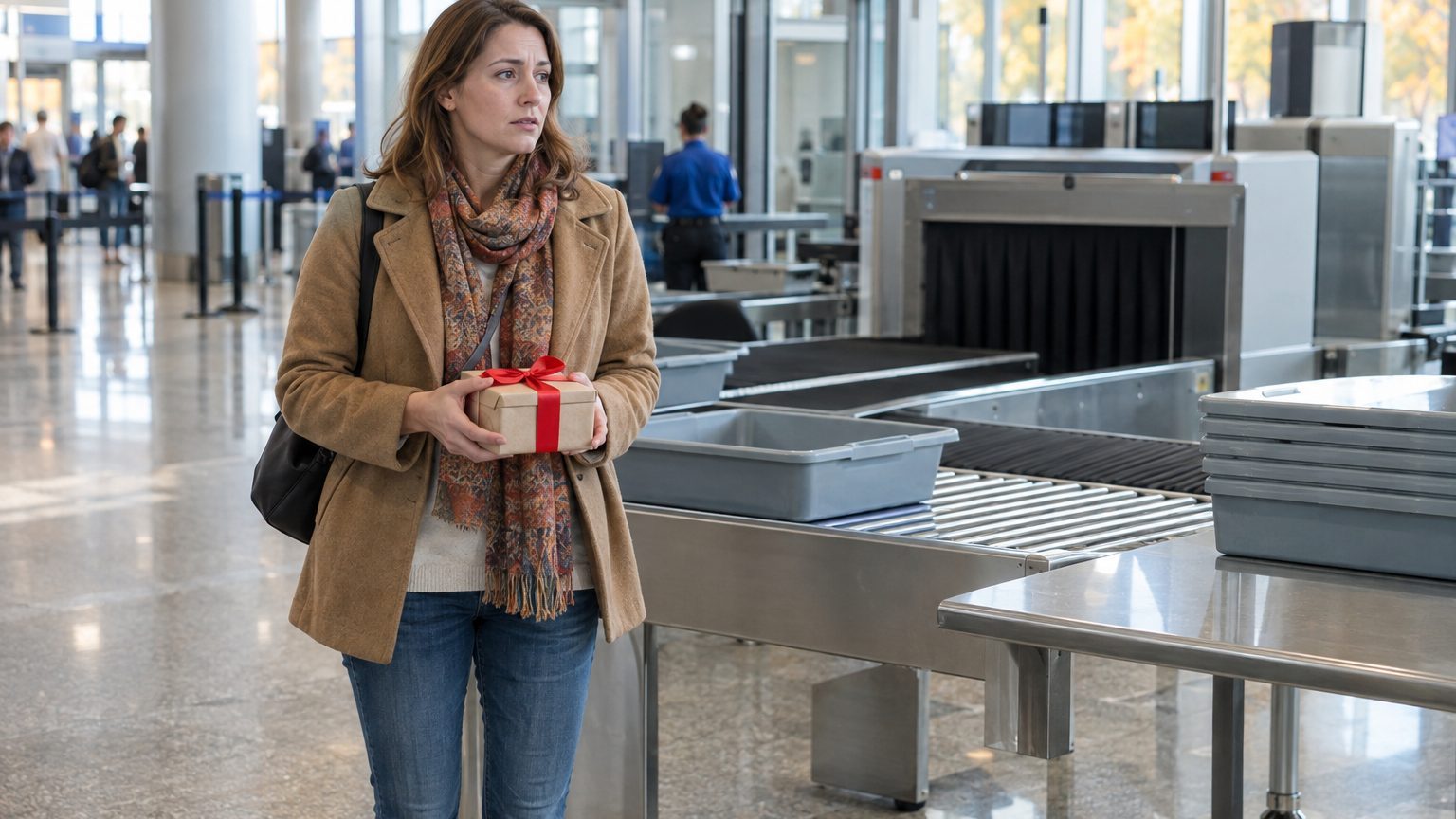
Yes, you can bring wrapped gifts through a TSA checkpoint, in a carry-on or a checked bag. The TSA does not ban wrapped presents, but it explicitly advises travelers not to wrap gifts before they travel. The catch is what happens when the X-ray flags something inside the box.
Then the paper comes off, and the surprise goes with it.
What happens to a wrapped box at the checkpoint
The agency’s position is blunt. Wrapped items are screened like any other item. If a wrapped item alarms the screening technology, it has to be unwrapped to determine whether it is a security threat. An officer won’t open a present just because it’s pretty. A dense shape, a tangle of wires or an unclear image is what triggers the tear.
A TSA spokesperson has put the reasoning plainly: officers may need to inspect what’s wrapped inside the box. Nobody at the checkpoint is going to hunt for matching paper afterward. Anything with batteries, a metal casing or liquid inside tends to look suspicious on a scan, which describes a large share of what people actually give each other: electronics, candles, cosmetics, bottles.
Checking the bag doesn’t get you out of it. Checked bags are screened too, and inspectors will open and search any bag, wrapped gifts included, if the X-ray image is unclear. So the wrapping risk follows the present into the cargo hold. The only real difference is that you won’t be standing there when it happens.
TSA’s own suggested fix is simple. It encourages gift bags that officers can easily open, or gift boxes with lids they can remove, so fully wrapped presents never have to be torn open. A bow on a removable lid still looks festive. It also survives inspection.
Liquid limits that quietly sink your gift list
The bigger risk for most travelers is the liquids rule, not the wrapping. Each passenger may carry liquids, gels and aerosols of 3.4 ounces (100 ml) or less through a checkpoint, as long as they fit in one quart-sized, resealable bag. Liquids, gels and aerosols over the limit are the item travelers most often bring to the checkpoint that isn’t allowed through. That includes the gift you wrapped last night.
Consider the snow globe, the classic offender. TSA’s rule of thumb is that a globe smaller than a tennis ball holds less than 3.4 ounces and can go through the checkpoint. Larger ones belong in a checked bag. A souvenir from a grandparent’s shelf, the kind with a miniature skyline inside, almost never passes the tennis-ball test.
Perfume works the same way. Bottles of 3.4 ounces or smaller are fine if they fit in the quart bag, while decorative bottles that don’t fit belong in checked luggage. A boxed fragrance set is a gamble if even one bottle is oversized.
Food gifts trip people up in more creative ways. TSA’s holiday guidance says cranberry sauce, whether homemade or store-bought, is spreadable and should be checked, and so should preserves, jams and jellies. Egg nog, wine, champagne, maple syrup and preserves are not solid and should be packed in checked bags. Creamy cheese and liquid chocolate also have to follow the liquids rules in a carry-on. The shorthand to remember is whether you can spread it, pour it or spray it.
Pies, cookies and hard cheeses are solids, so they travel freely.
Alcohol in checked bags has its own limits. Federal rules cap retail-packaged drinks at 24 to 70 percent alcohol by volume at 5 liters per passenger, and anything above 70 percent (140 proof) is banned from both carry-on and checked luggage. Wine and beer under 24 percent aren’t subject to a federal volume limit. Wrap those bottles in clothing, not in paper.
Smarter ways to get presents from A to B
The cleanest approach is to skip the wrapping at home. Pack gifts in gift bags with tissue on top, or in boxes you can open without scissors. Then wrap them at your destination, where a roll of paper costs a few dollars and nobody else gets a vote.
Shipping is the other option, especially for anything large or fragile. FedEx, UPS and USPS all offer tracking, insurance and holiday packaging. A package that arrives before you do is a gift that never touches an X-ray belt. For electronics or fine jewelry, consider travel insurance or a credit card that covers lost or damaged purchases.
Shopping after security solves the liquid problem outright. Drinks and liquids bought after you clear TSA can go on the plane with no volume limit. Many airports also have shops selling packaged gifts, wine and chocolates that are already cleared for travel. It isn’t the cheapest way to buy a present, but it beats surrendering a bottle of good olive oil at the bin.
A few small habits pay off at the checkpoint:
- Keep all gifts together in one section of the bag, so an officer who needs to inspect one doesn’t have to dig through your clothes.
- Put small items like rings and necklaces in your carry-on. They can travel there even inside a gift box.
- Don’t wear bulky jewelry or a large belt buckle on the day. They can trigger alarms and lead to extra screening.
Advent calendars are one gift that causes no stress. TSA says it won’t open the flaps and spoil the daily surprise.
One more thing before you pack. The liquids rule dates to 2006, when authorities uncovered a terrorist plot involving liquid explosives. It has barely changed since, which is why a 4-ounce jar of cranberry sauce still causes trouble 20 years later. Check the TSA’s “What Can I Bring?” tool for any item you’re unsure about, and give yourself extra time if your bag is full of presents.
Sources : abc7ny.com | nbcboston.com